

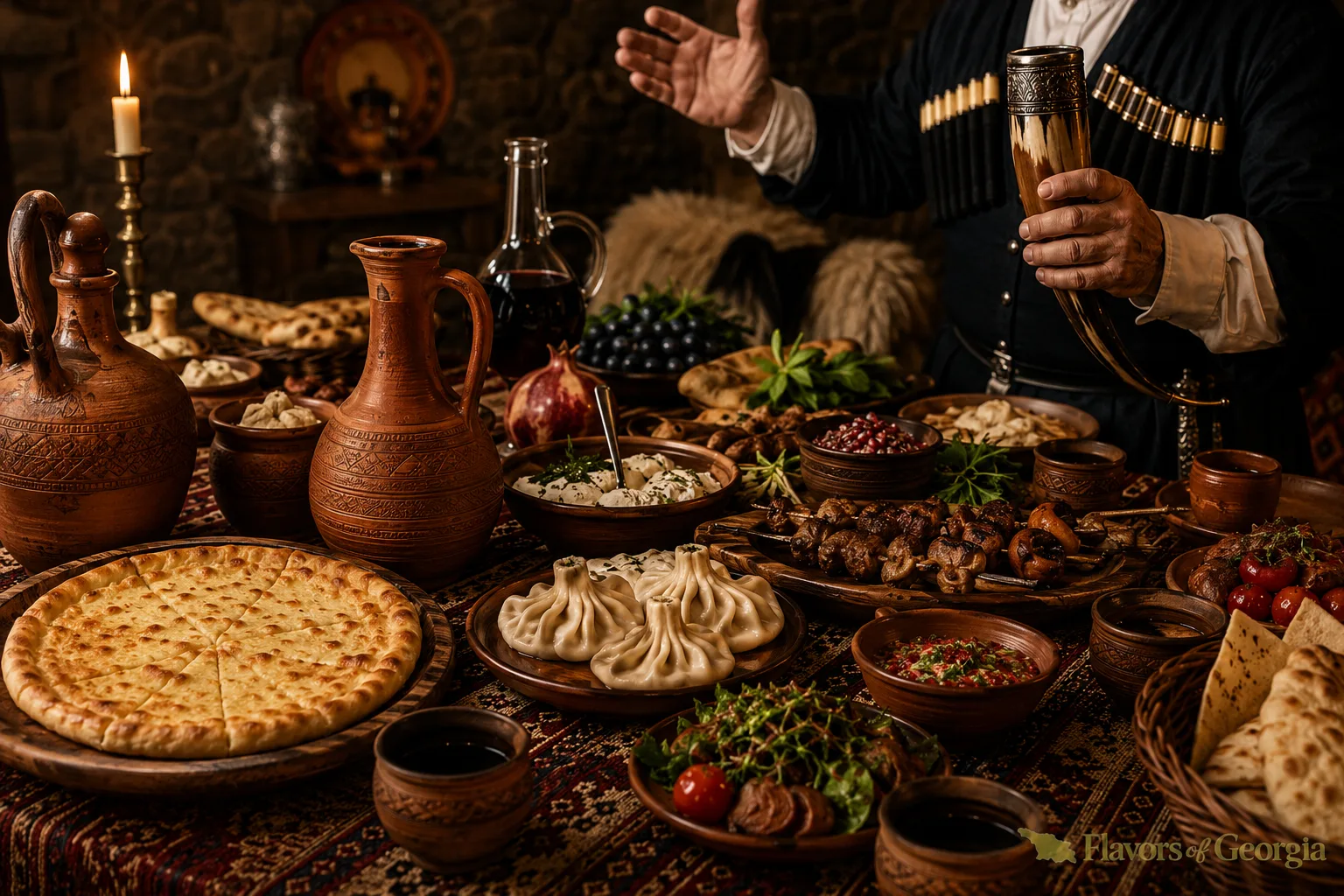
Photos generated by AI
Introduction
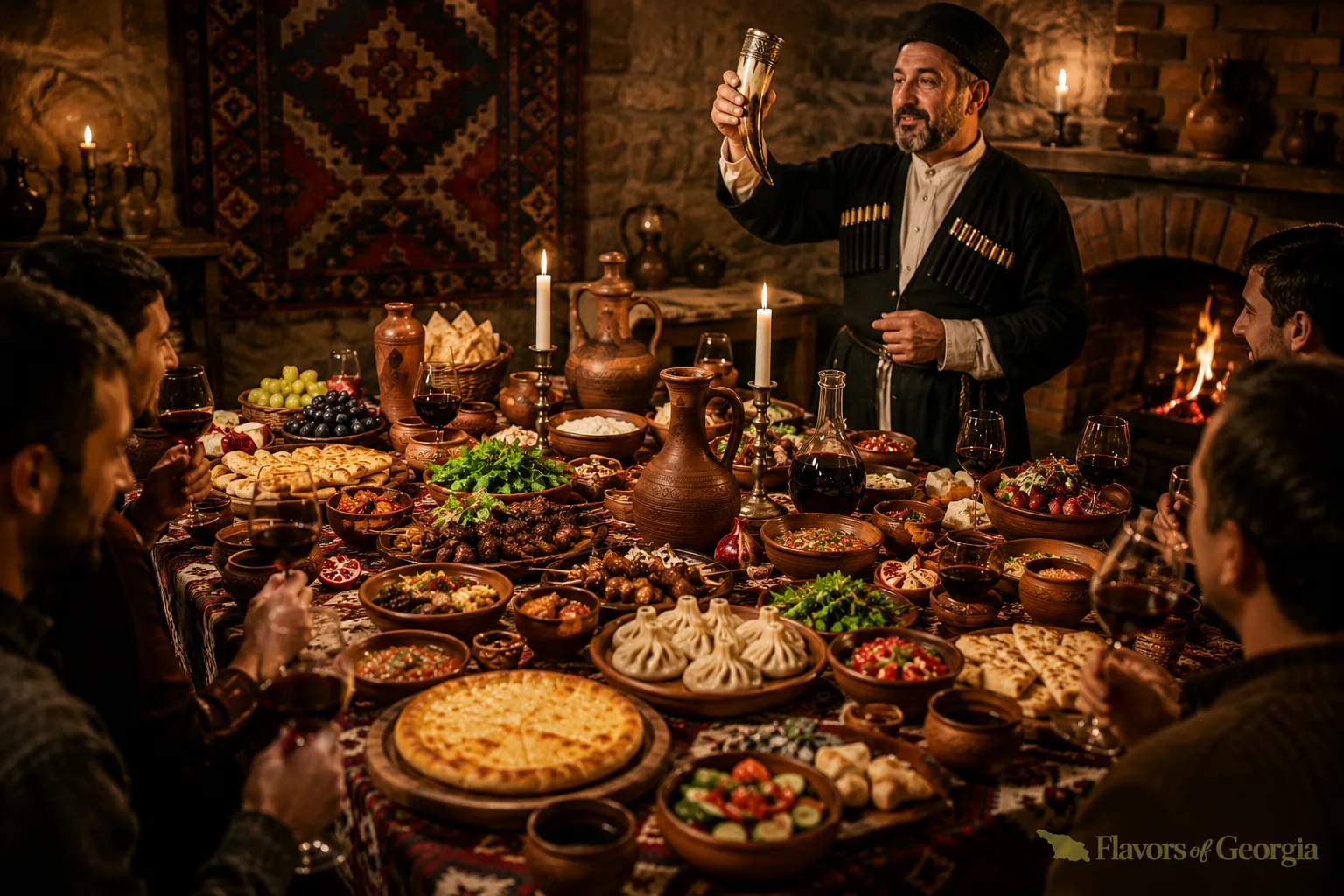
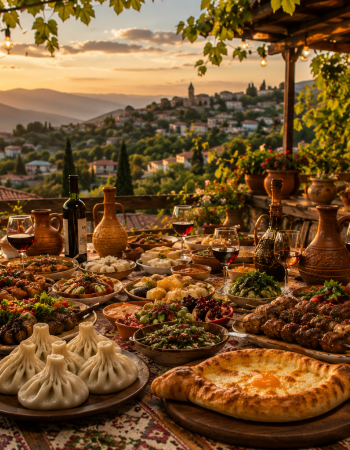
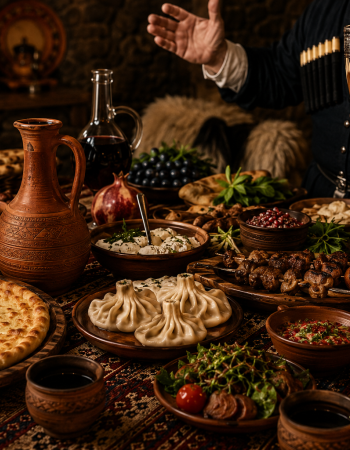
Georgian culture is deeply connected to hospitality, food, wine, and communal celebration. At the heart of this tradition stands the supra — the famous Georgian feast where family, friends, and guests gather around a table filled with dishes, wine, stories, and heartfelt toasts. Yet the beauty of a Georgian table is not only found in the food itself, but also in the traditional tableware that has accompanied Georgian dining culture for centuries.
From handmade clay pottery and ancient wine vessels to ornate drinking horns and carved wooden serving dishes, Georgian tableware reflects the country’s history, regional diversity, and artistic spirit. Every object placed on a traditional Georgian table carries both practical purpose and symbolic meaning.
The Historical Importance of Georgian Tableware
The history of Georgian tableware stretches back thousands of years. Archaeological discoveries show that ancient Georgians were producing sophisticated pottery and wine vessels as early as the Neolithic period. Georgia is widely recognized as one of the oldest wine-producing regions in the world, with an uninterrupted wine culture dating back over 8,000 years.
As Georgian cuisine evolved, so did the tools and vessels used for serving food and wine. Local craftsmen created unique styles of pottery, wooden utensils, copper cookware, and ceremonial drinking vessels that varied from region to region.
Traditional tableware became an important part of family identity. Many Georgian households preserved handcrafted dishes and wine vessels for generations, using them during weddings, religious holidays, and important family gatherings.
Clay Pottery – The Soul of Georgian Dining
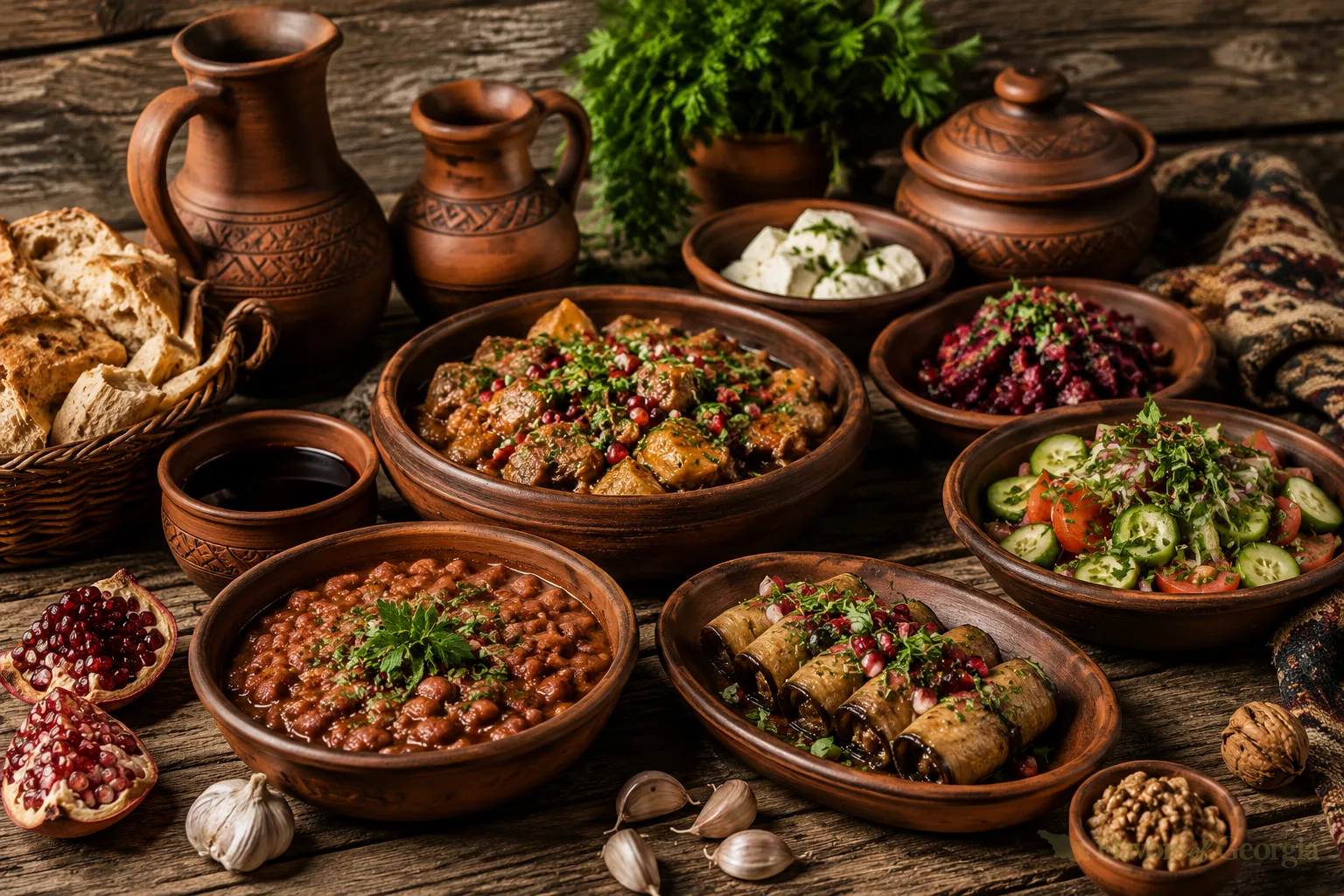
Among all traditional Georgian tableware, clay pottery holds a special place. Handmade clay dishes are still widely used across Georgia today, especially in traditional restaurants and rural homes.
Georgian clay cookware is valued not only for its rustic appearance but also for its ability to evenly distribute heat and preserve flavor. Many famous Georgian dishes are traditionally prepared and served in clay vessels.
Common Georgian clay tableware includes:
- Clay plates and bowls
- Traditional clay wine pitchers
- Clay baking pans
- Bean pots for lobio
- Clay stew pots
- Decorative serving platters
One of the most iconic examples is the clay pot used for lobio, the beloved Georgian bean dish. The clay enhances the slow-cooked flavors and keeps the food warm for longer periods.
Different regions of Georgia developed their own pottery traditions. Kakheti became especially famous for wine vessels, while western regions produced decorative household pottery with unique patterns and shapes.
Ketsi – The Traditional Georgian Clay Pan
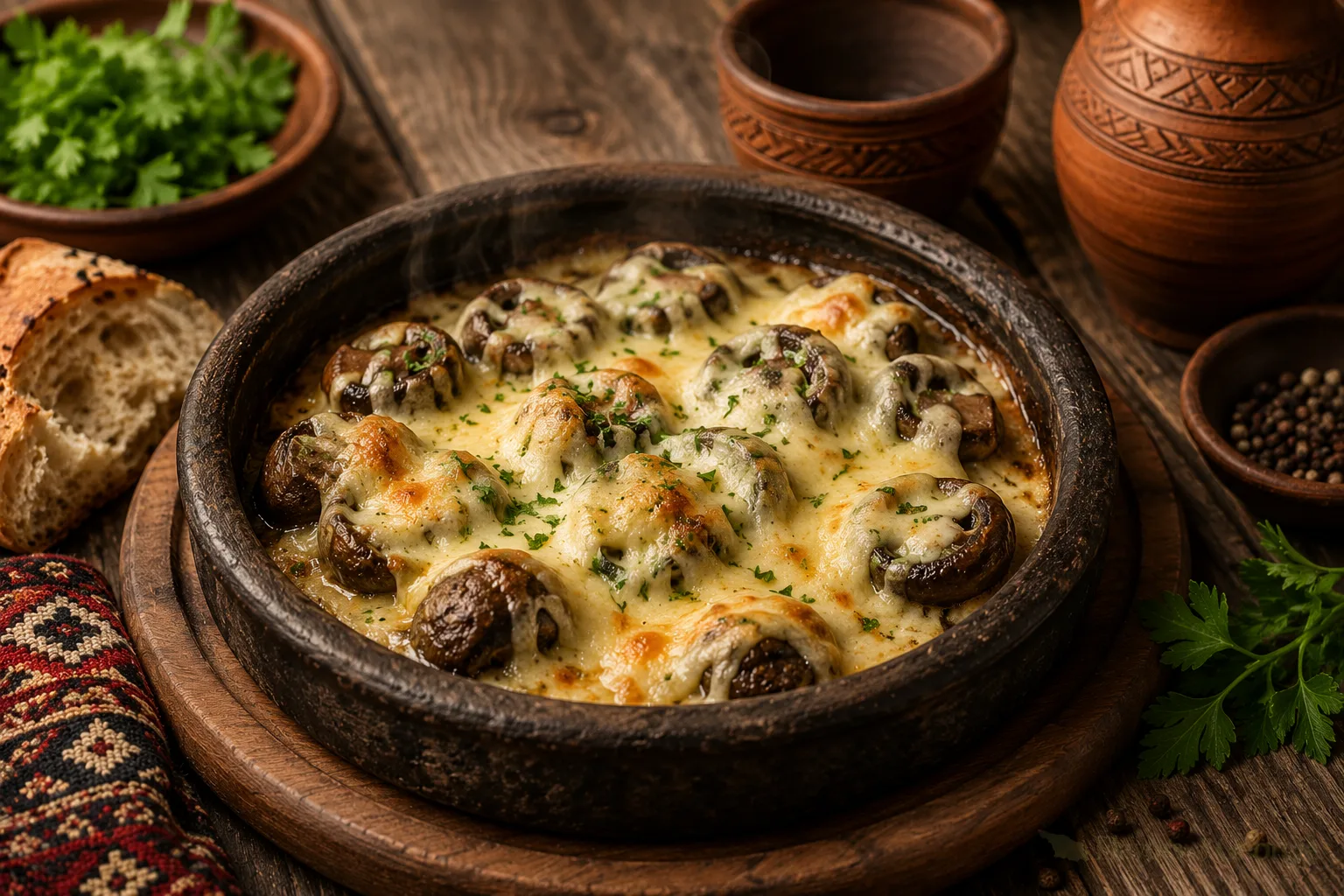
The ketsi is one of the most recognizable pieces of Georgian cookware. This thick clay or stone pan is traditionally used for baking and serving dishes such as:
- Mushrooms with sulguni cheese
- Mtsvadi
- Chicken dishes
- Khachapuri
- Roasted vegetables
A ketsi retains heat exceptionally well, allowing food to stay hot throughout the meal. In many Georgian restaurants, dishes arrive directly from the oven to the table in sizzling ketsi pans.
Today, both traditional clay ketsi and modern stone versions are popular in Georgian kitchens.
Qvevri – The Ancient Georgian Wine Vessel
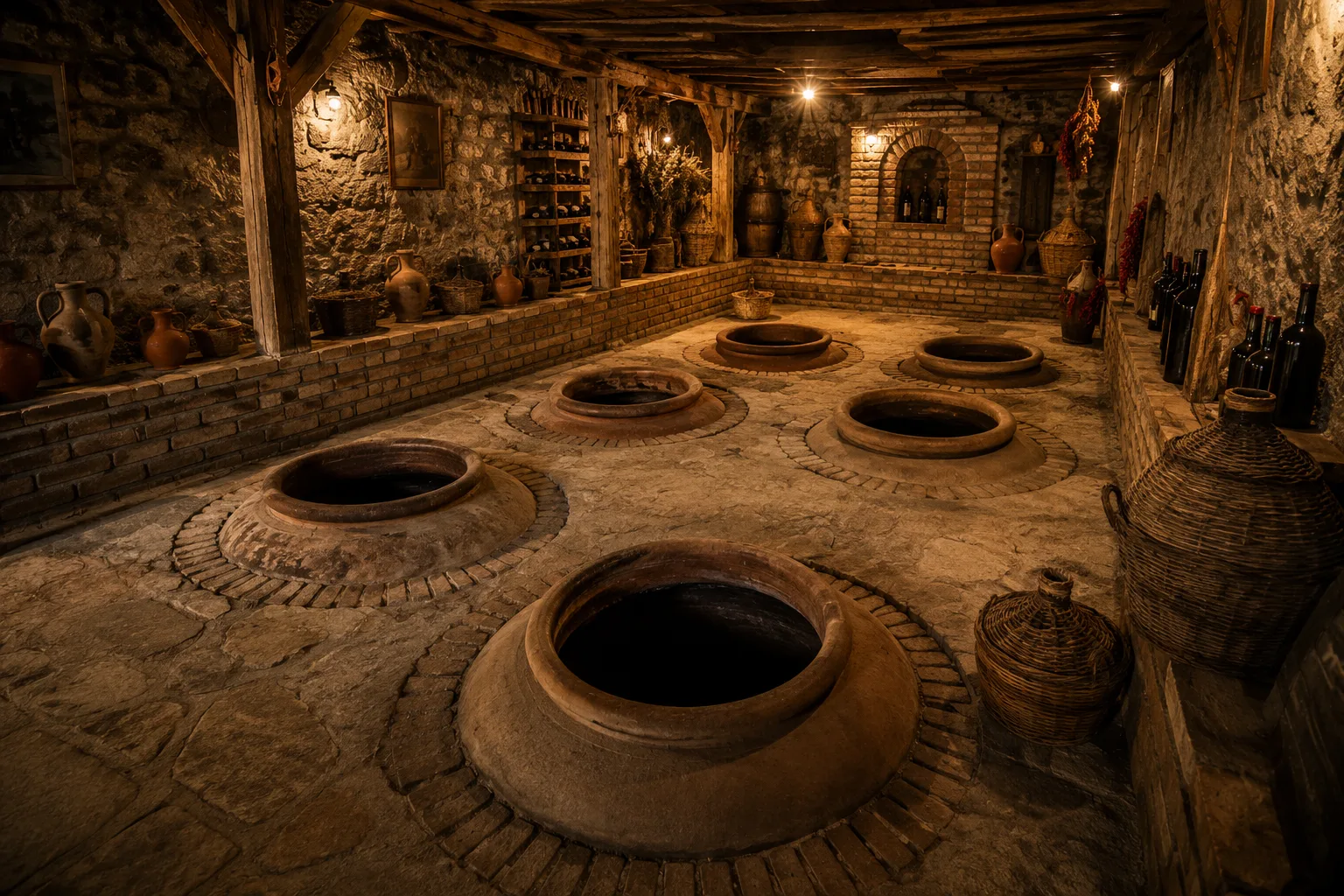
No discussion of Georgian tableware is complete without the qvevri. The qvevri is a large clay vessel used for fermenting, aging, and storing wine. This ancient method of winemaking is recognized by UNESCO as part of the Intangible Cultural Heritage of Humanity.
Qvevri are traditionally buried underground to maintain stable temperatures during fermentation. Georgian winemakers continue to use this method today, especially in Kakheti.
Wine is carefully drawn from the qvevri using traditional tools and transferred into serving vessels for the supra table.
The qvevri represents more than winemaking technology — it symbolizes Georgian identity, continuity, and respect for tradition.
Traditional Wine Serving Vessels
Wine occupies a sacred place in Georgian culture, and special vessels have long been used for serving and drinking wine.
Dekanteri and Clay Pitchers
Wine is often transferred from storage vessels into elegant serving pitchers made from clay, copper, or glass. These pitchers are used during supras to refill guests’ cups and horns throughout the evening.
Traditional clay pitchers remain especially popular in Kakheti.
Tasters and Small Wine Cups
Small ceramic or metal cups were historically used for tasting wine during production and family celebrations.
Kantsi – The Famous Georgian Drinking Horn
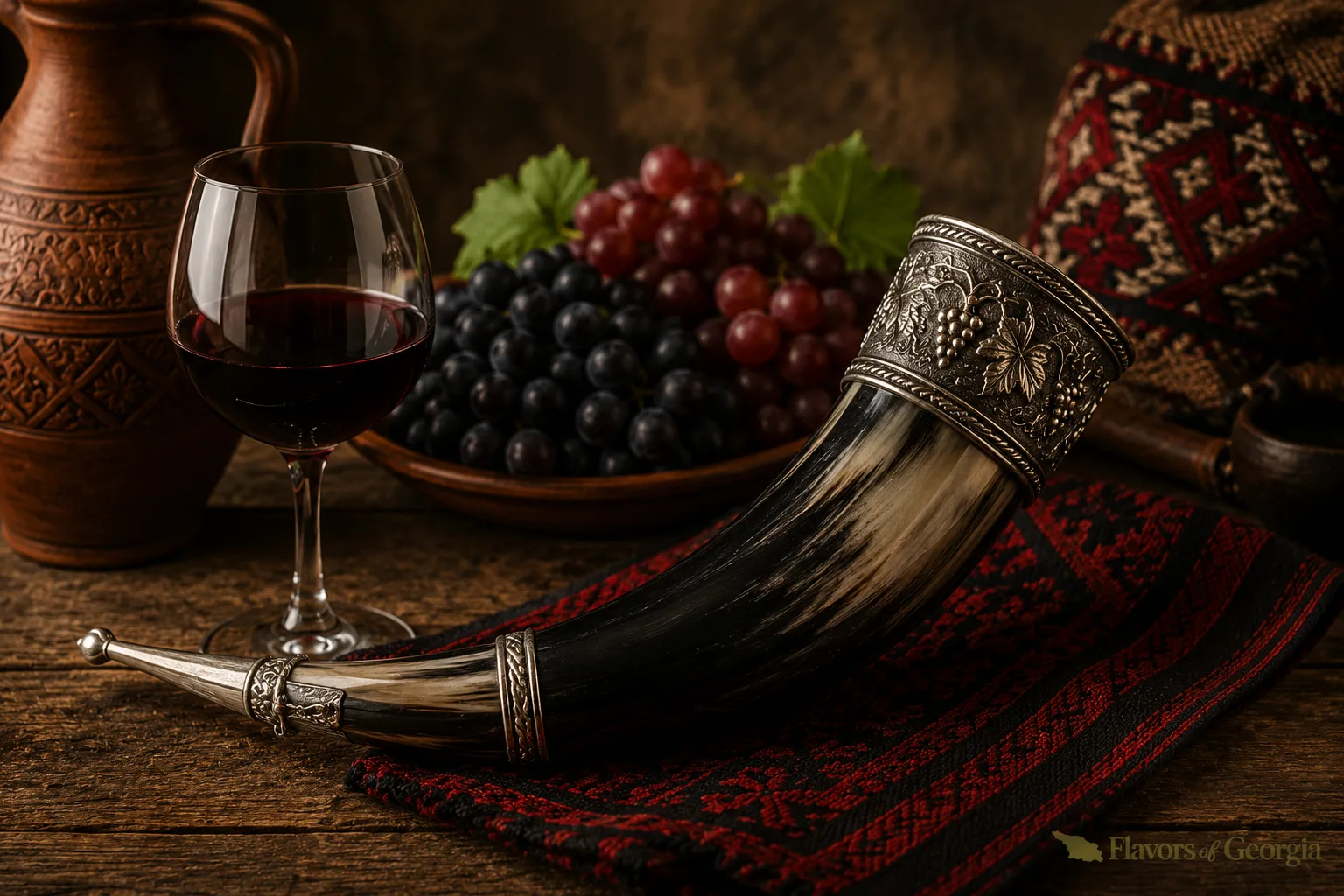
The kantsi (drinking horn) is perhaps the most symbolic and visually striking piece of Georgian tableware. Traditionally crafted from goat or ram horn, the kantsi is decorated with silver, carvings, or intricate metalwork.
In Georgian tradition, the horn is strongly associated with ceremonial toasting. During a supra, the tamada may raise a kantsi while delivering an emotional or philosophical toast.
A kantsi is designed so that once filled, it should be emptied completely before being placed down. This custom symbolizes sincerity, honor, and respect toward the toast.
Modern decorative kantsi are also popular souvenirs and display pieces.
Wooden Tableware and Serving Boards
Mountain regions of Georgia developed strong woodworking traditions. Artisans created beautiful wooden serving trays, bowls, spoons, and bread boards using walnut, oak, and chestnut wood.
Wooden tableware added warmth and natural elegance to the supra table. Even today, wooden serving boards are commonly used for:
Cheese assortments
Mtsvadi
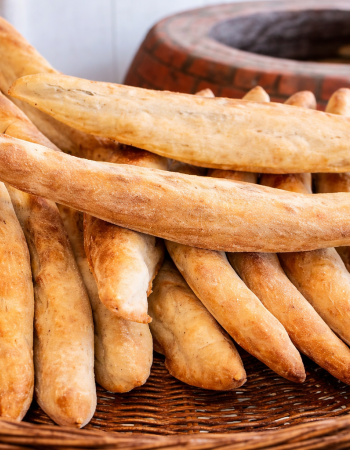
Bread
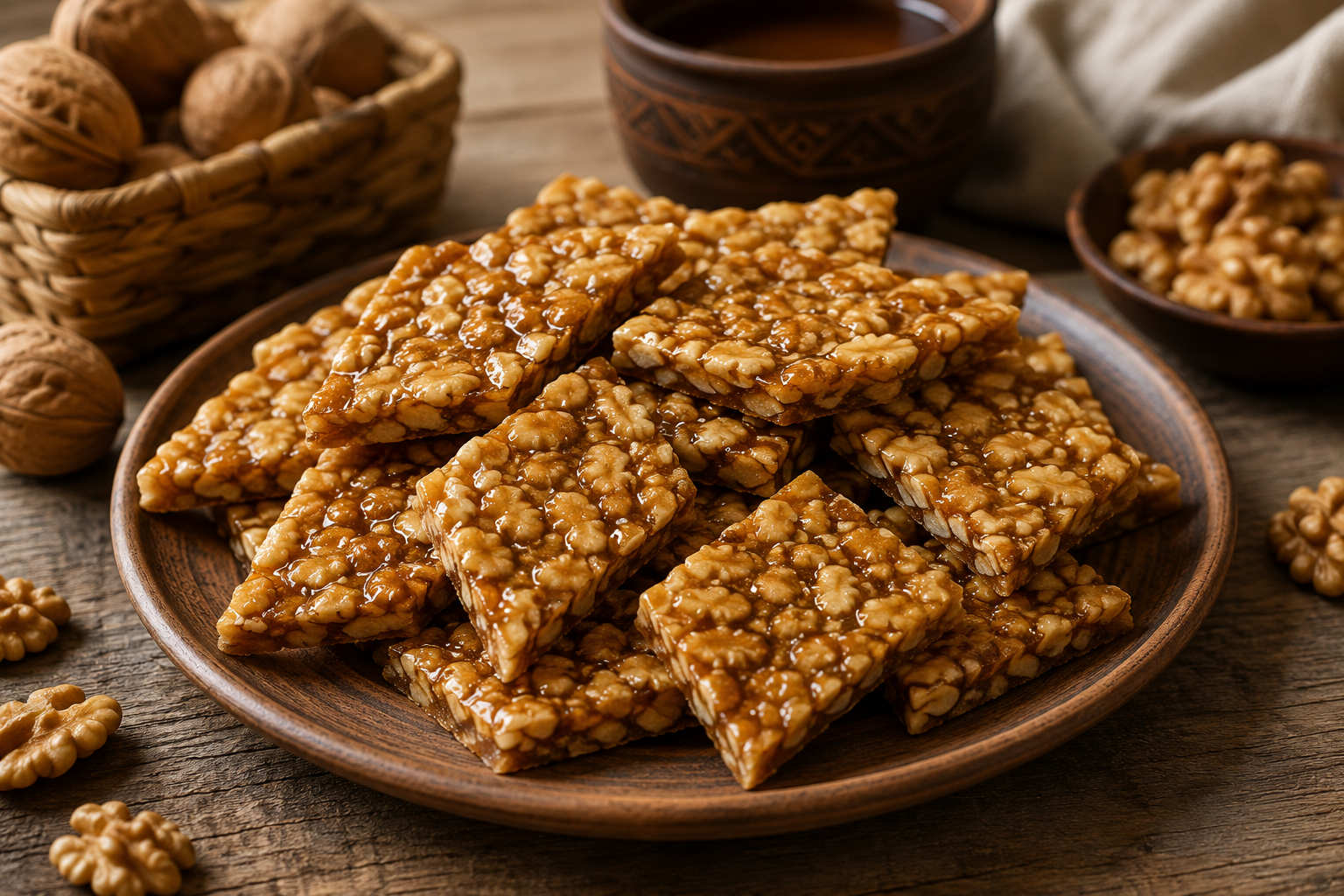
Churchkhela
Nuts and dried fruits
Many modern Georgian restaurants combine rustic wood and clay tableware to recreate authentic historical dining aesthetics.
Copper and Metal Cookware
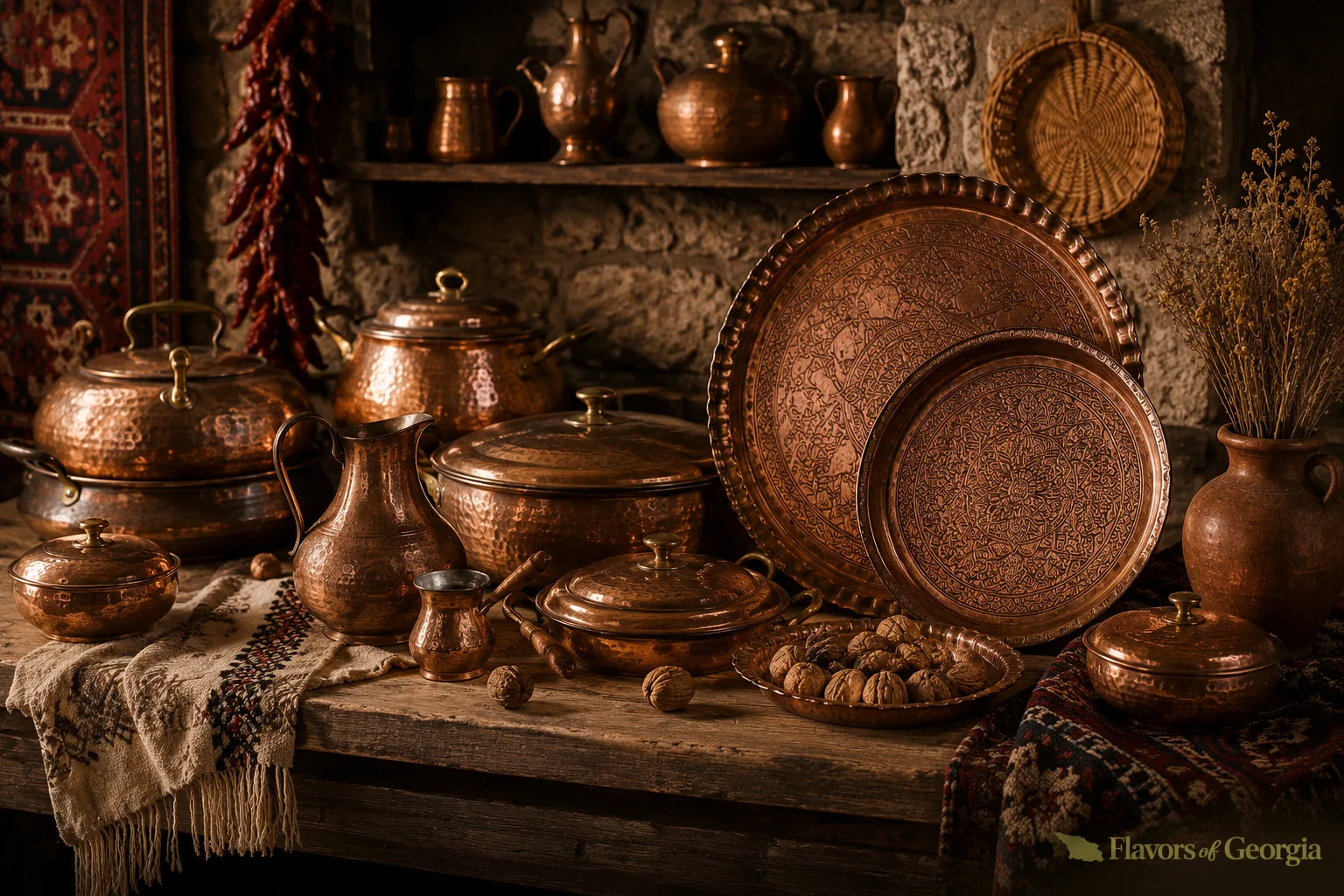
In addition to clay and wood, Georgian kitchens historically used copper cookware for preparing sauces, sweets, and slow-cooked dishes.
Copper pots became especially popular in urban areas and noble households. Skilled Georgian metalworkers often decorated these items with engraved ornaments and regional motifs.
Decorative brass trays and silver serving pieces were also used during formal celebrations.
The Supra – More Than a Meal
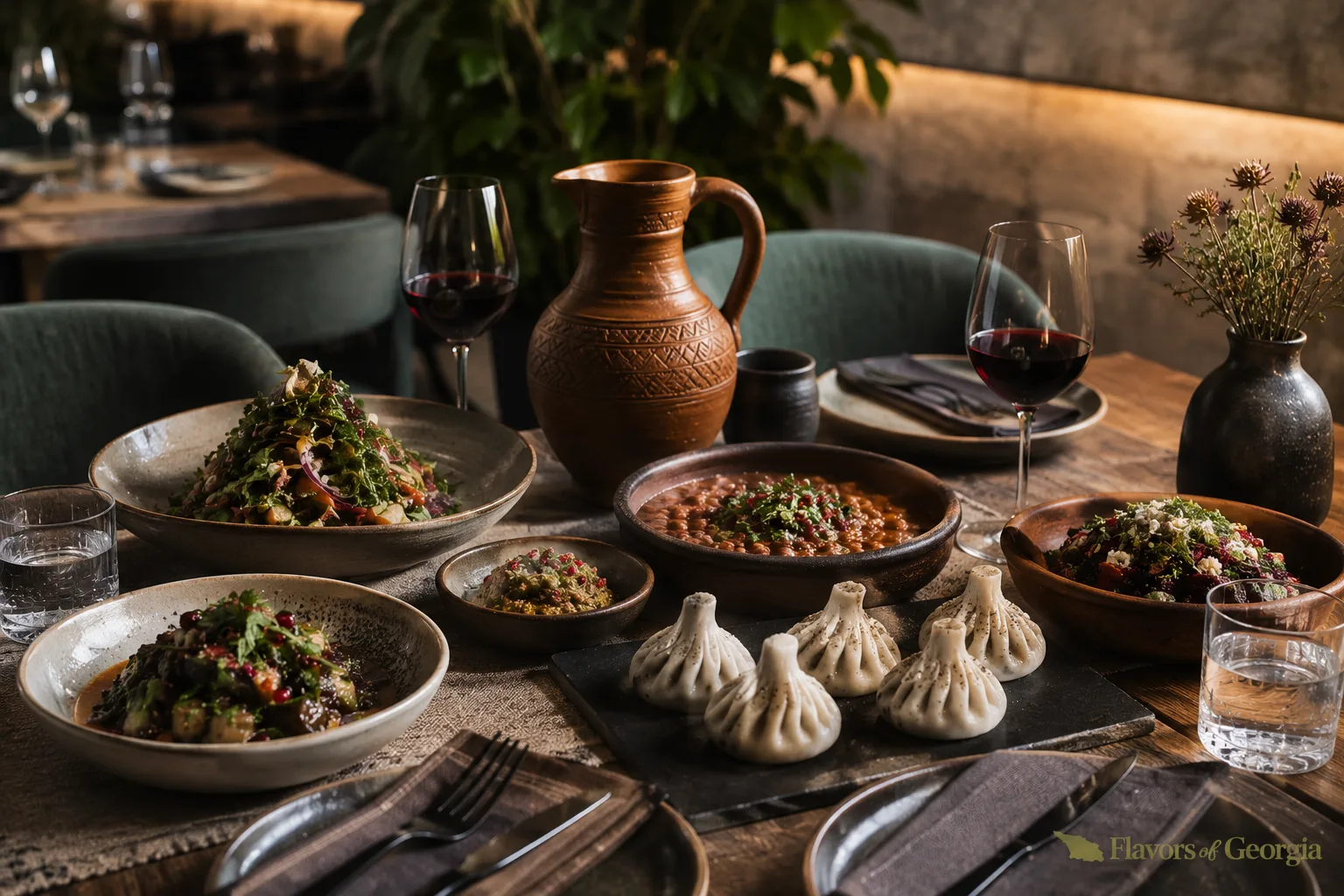
The Georgian supra is not simply dinner; it is a cultural institution. Every piece of tableware contributes to the atmosphere of hospitality, symbolism, and emotional connection.
At the center of the supra stands the tamada — the toastmaster responsible for guiding the evening’s toasts and maintaining harmony among guests.
Traditional tableware enhances this experience:
Clay dishes create warmth and authenticity
Wooden boards emphasize natural presentation
Wine pitchers symbolize abundance
The kantsi represents honor and celebration
The qvevri connects the table to ancient Georgian history
Together, these elements transform an ordinary meal into a meaningful cultural ritual.
Georgian Tableware in Modern Times
Today, traditional Georgian tableware continues to evolve. Modern artisans blend ancient craftsmanship with contemporary design, producing tableware that appeals both to locals and international collectors.
Tourists visiting Georgia often purchase:
Handmade clay dishes
Decorative kantsi horns
Miniature qvevri
Traditional wine pitchers
Wooden serving boards
Restaurants throughout Georgia proudly preserve these traditions, allowing visitors to experience authentic Georgian hospitality through both cuisine and presentation.
Conclusion
Georgian tableware tells the story of a nation shaped by hospitality, craftsmanship, wine culture, and deep respect for tradition. From ancient qvevri buried beneath wine cellars to ceremonial drinking horns raised during heartfelt toasts, every object reflects centuries of cultural identity.
In Georgia, the table is far more than a place to eat. It is a place where history is shared, friendships are strengthened, and traditions are passed from one generation to the next.
Traditional Georgian tableware remains a living symbol of this enduring spirit.

Search Recipes by category

 46
46  Chef Beso

Login Required
Loading login form...